If you’ve ever gone down the parenting internet rabbit hole, you’ve probably noticed that everyone seems very committed to their method. Montessori this. Waldorf that. Reggio Emilia over here. Piaget, somewhere in the background, nodding thoughtfully.
It can start to feel like you’re supposed to pick a team—and once you do, commit forever, preferably with the right toys, furniture, and Instagram aesthetic to prove it.
Here’s the good news: you don’t have to choose.
They’re Not Actually Competing
Montessori, Waldorf, Reggio Emilia, and Piaget weren’t trying to compete with each other. They were all observing the same thing from slightly different angles: how children grow, learn, and make sense of the world.
And when you zoom out, they actually agree on a lot.
What They All Have in Common (The Part That Really Matters)
All of these approaches believe that:
- Children learn best by doing, not being told
- Development happens in stages, not on a fixed timeline
- Play is serious work
- Relationships matter
- The environment can either support or sabotage learning
- Adults don’t need to entertain, hover, or control for learning to happen
In other words: kids aren’t empty containers to fill. They’re active little humans, trying to figure things out.
How Each One Contributes (Without Making This Complicated)
Think of these philosophies less like rules, and more like lenses:
Montessori reminds us to support independence through real, hands-on activity. Give children tools they can use themselves, and then step back just enough.
Waldorf protects childhood by valuing rhythm, imagination, and emotional safety. Not everything needs to be explained or rushed.
Piaget helps us remember that kids can only understand what they’re developmentally ready for. No amount of “teaching” can replace readiness.
Reggio Emilia invites us to listen to children, trust their ideas, and see them as capable contributors, not just followers of adult plans.
Different focus. Same child.
What This Looks Like at Home (The Practical Part)
In real life, this might mean:
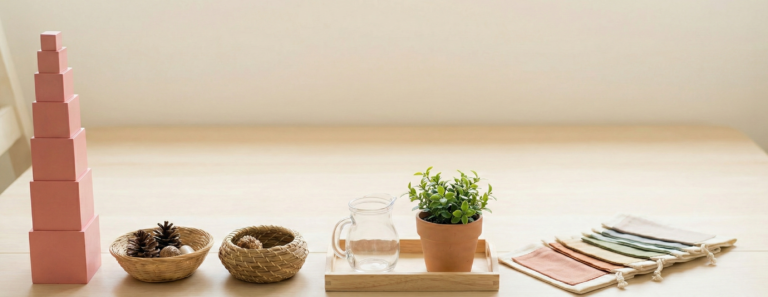
A simple, accessible environment where your child can reach the things they use regularly (Montessori). Predictable routines that help your child feel safe and grounded—breakfast, playtime, lunch, rest time (Waldorf). Materials that match your child’s current abilities instead of pushing the next milestone (Piaget). Open-ended toys and art materials that let your child express their ideas freely (Reggio).
You’re not “mixing methods.” You’re responding to real developmental needs.
The Big Takeaway (And a Little Relief)
You don’t need to do everything. You don’t need the perfect setup. You don’t need to follow a method perfectly to raise a capable, confident child.
When you focus on respect, simplicity, and developmentally appropriate support, you’re already doing the most important work—regardless of what label you put on it.
And yes, if all of this leads to longer stretches of independent play and fewer interruptions while you attempt basic household tasks? That’s not failing philosophy. That’s good design.
Finding Toys That Work Across Philosophies
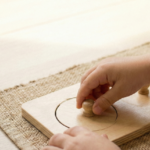
The wonderful thing about well-designed, open-ended toys is that they tend to align with multiple approaches naturally. A simple wooden puzzle supports fine motor development (Montessori), offers calm, focused play (Waldorf), matches developmental readiness (Piaget), and invites problem-solving (Reggio).
If you’re looking for toys that support your child’s development without subscribing to a single rigid method, here are a few principles worth considering:
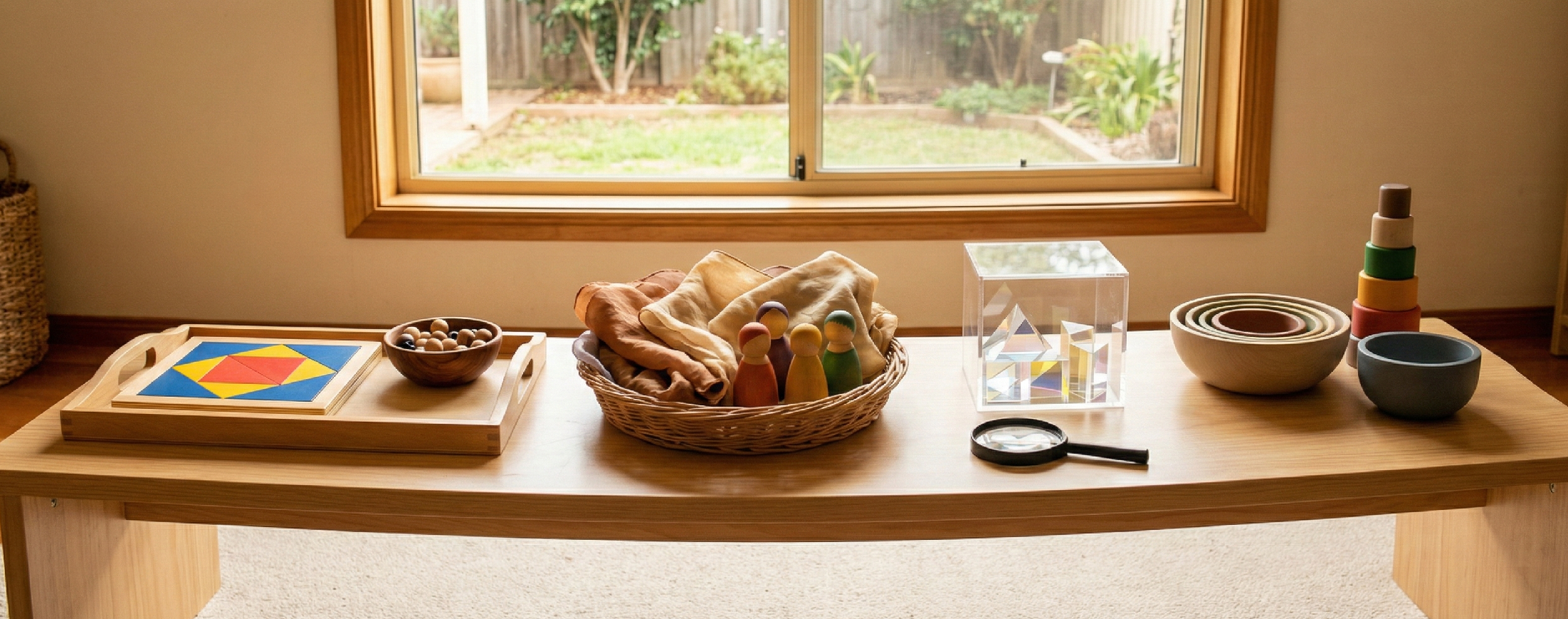
Look for natural materials. Wood, cotton, wool—materials that feel good to touch and hold up to years of play.
Choose open-ended options. Blocks, stacking toys, and simple figures can become whatever your child imagines, which means they grow with your child’s changing interests.
Consider real-life tools. Child-sized brooms, pouring activities, and practical life materials let children participate in meaningful work.
Keep it simple. Fewer toys with more possibilities often work better than a playroom full of single-purpose items.
Trust your child’s readiness. If a toy sits untouched for months, it might be too advanced or not quite the right fit yet. That’s useful information, not failure.
These aren’t strict rules. They’re helpful guidelines that make life easier—for both of you.
Looking for toys that support independent play and hands-on learning? Our curated collections focus on quality, natural materials that work for real families—no perfect Instagram setup required.