You’re staring at a baby registry scanner in your hand.
The store stretches endlessly in front of you. Rows of car seats. Walls of strollers. Seventeen different high chairs that all look identical until you read the price tags.
Someone hands you a “registry checklist” with 147 items on it.
But you do need some things. And the expensive things (car seats, strollers, furniture) deserve thoughtful decisions, not panicked scanning.
Here’s what actually matters in the big-ticket baby gear categories, why it matters, and how to choose what fits your family.
This isn’t about the “perfect” registry. It’s about understanding your options so you can make confident decisions that work for your life, your budget, and your baby.
Before We Start: What Actually Makes Something “Worth It”
Not every expensive baby item is worth the investment. Some are. Here’s how to tell the difference:
Worth It If:
- ✓ You’ll use it daily for months or years
- ✓ Safety genuinely improves with quality
- ✓ It grows with your child (longer usability = better value)
- ✓ It makes your life significantly easier (not just marginally)
- ✓ It can be passed to future siblings or resold
Not Worth It If:
- ✗ Used for a few weeks then outgrown
- ✗ Requires constant upgrades/additions to function
- ✗ Solves a problem you don’t actually have
- ✗ “Nice to have” but not genuinely useful
- ✗ Won’t fit your actual lifestyle (apartment vs. house, car vs. no car, etc.)
With that framework, let’s talk about the big purchases.
CAR SEATS & TRAVEL SYSTEMS: The Safety-Critical Decisions
This is the only truly non-negotiable category. Your baby legally cannot leave the hospital without a properly installed car seat.
But here’s what matters more than the brand: proper installation and fit.
The “best” car seat is the one that:
- Fits your car correctly
- You can install properly every time
- Fits your budget
- Will actually be used consistently
Let me show you the options and why you’d choose each.
Option 1: The All-in-One Travel System
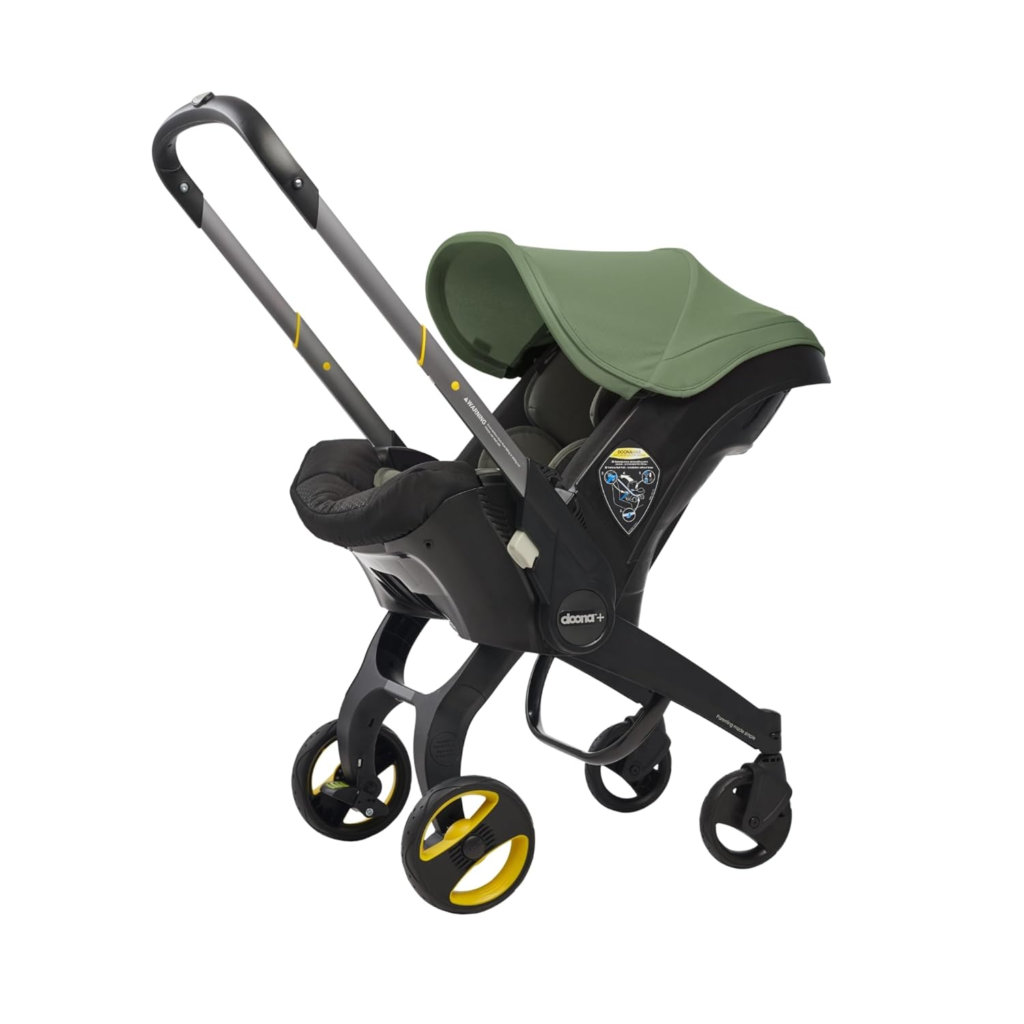
Doona Car Seat & Stroller
This is the car seat that transforms into a stroller with one movement. No separate stroller base, no adapters, no transfer—the car seat IS the stroller.
Why you’d choose this:
- You live in a city and walk a lot
- You’re frequently in and out of cars (errands, appointments)
- You want absolute minimalism (one item, not two)
- You have limited car trunk space
- You prioritize convenience over long-term use
Why you might not:
- It’s only usable until baby outgrows the infant seat (usually 12-15 months)
- Then you need to buy a separate stroller anyway
- If you primarily drive and rarely walk, the feature doesn’t justify the cost
What’s developing: This isn’t about development—it’s about YOUR convenience and lifestyle fit.
Price: $650
Doona Car Seat & Stroller – Desert Green
Option 2: Lightweight Infant Car Seat (Pairs with Any Stroller)
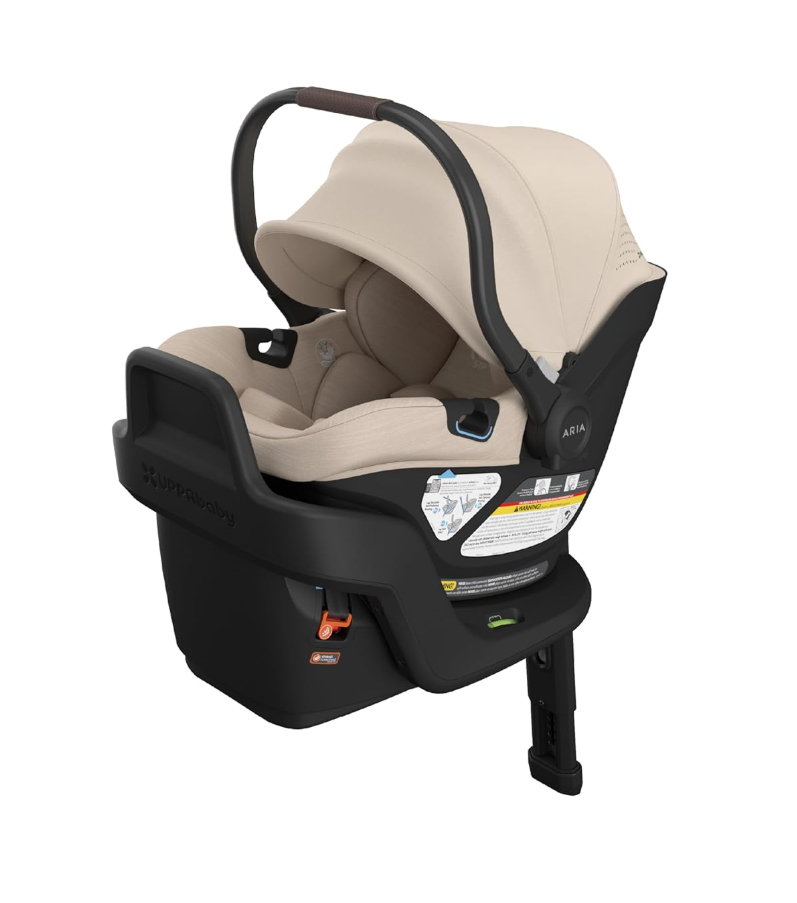
UPPAbaby Aria V2 Lightweight Infant Car Seat
Traditional infant car seat (rear-facing, birth to ~35 lbs) that clicks into compatible stroller bases. Lightweight design makes carrying easier.
Why you’d choose this:
- You want flexibility to pair with different strollers
- You prioritize a lightweight seat for carrying
- You like the UPPAbaby ecosystem (their strollers are excellent)
- You want something that fits multiple caregivers’ preferences
Why you might not:
- Still only usable for ~12-18 months before upgrading
- Requires purchasing compatible stroller separately
- The “lightweight” benefit diminishes as baby grows heavier
What I appreciate: The load leg adds stability, and the all-weather foot cover is thoughtful for various climates.
Price: $449
UPPAbaby Aria V2 Infant Car Seat
Option 3: The Convertible Car Seat (Longer Use, Skip Infant Seat)
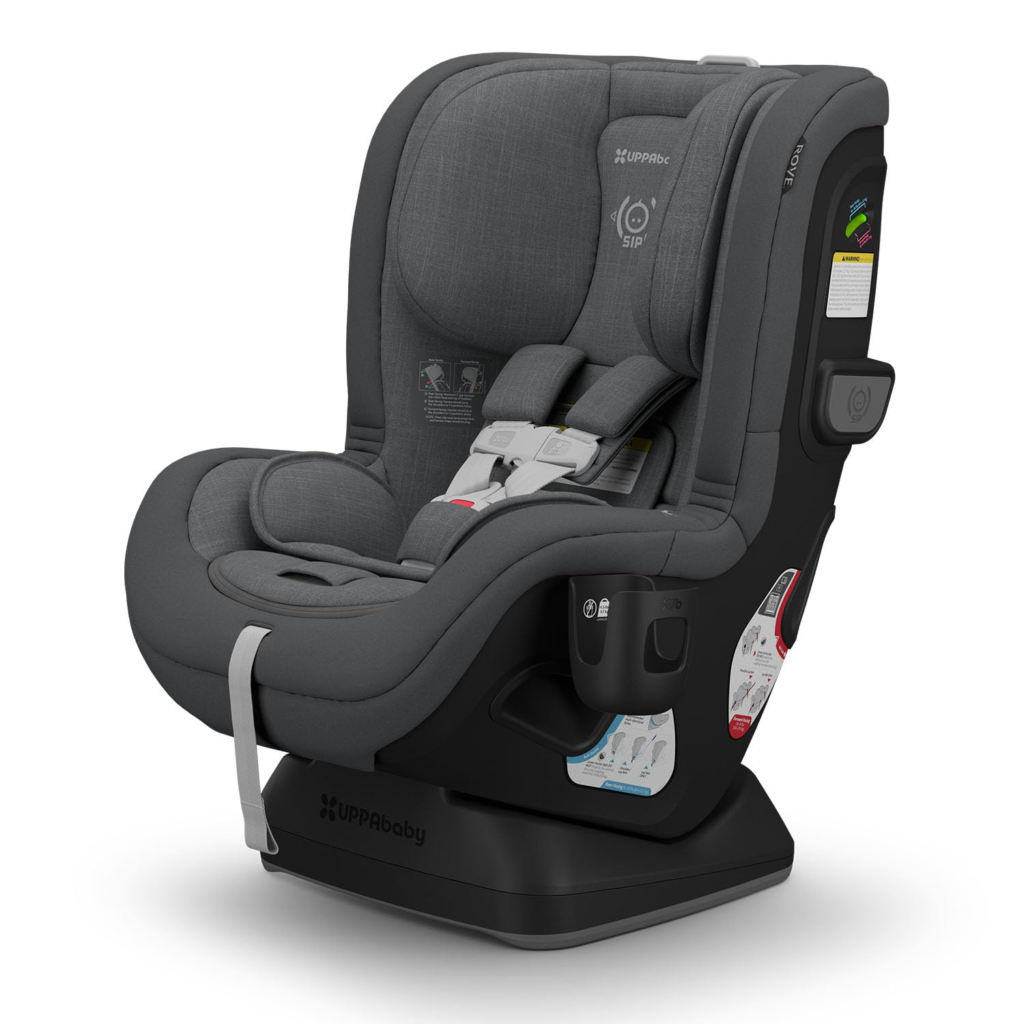
UPPAbaby Rove Convertible Car Seat
Convertible seat that goes from rear-facing (infant) to forward-facing (toddler). Can be used from birth through preschool.
Why you’d choose this:
- You want to skip the infant seat phase entirely
- You prioritize long-term value (one seat, multiple years)
- You don’t need portability (baby stays in car or goes in carrier)
- You’re on a tighter budget (one seat vs. two)
Why you might not:
- You can’t carry it (baby stays in seat or must be transferred)
- Harder to move sleeping baby without waking
- Less convenient for frequent in-and-out errands
The trade-off: Convenience vs. longevity. This is the practical choice if you primarily drive and don’t need the “carry sleeping baby in car seat” feature.
Price: $499
UPPAbaby Rove Convertible Car Seat
STROLLERS: This Is Personal
There is no “best stroller.” There’s the best stroller for YOUR lifestyle.
Questions to ask yourself:
- Where will you use it? (Sidewalks, trails, mall, city streets?)
- Do you have a car? (Trunk size matters)
- Do you live in a walk-up? (Weight matters)
- One baby or planning for more? (Expandability matters)
- What’s your terrain? (Smooth pavement vs. rough sidewalks vs. gravel?)
For Newborns: The Infant Bassinet Systems
These allow a newborn to lie completely flat (important for proper development in early months).
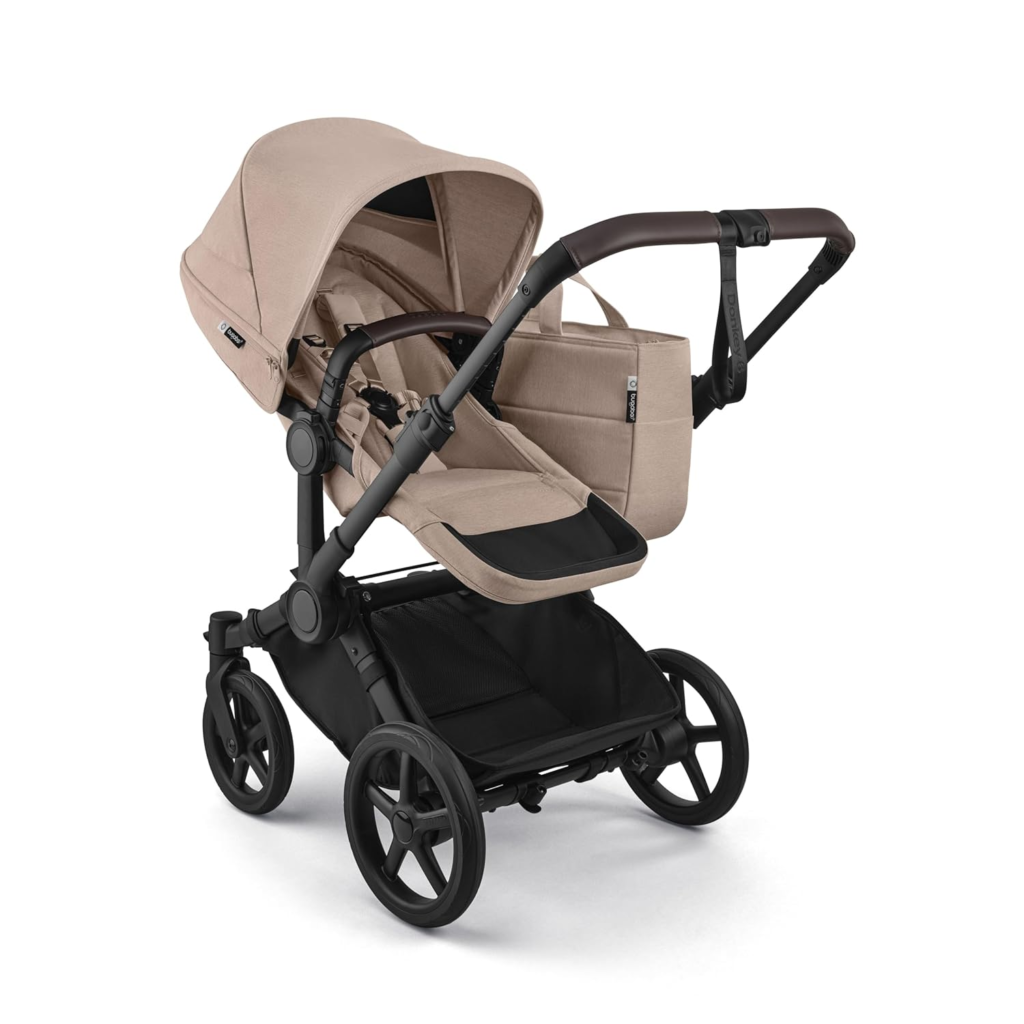
Bugaboo Donkey 6 Single-to-Double Stroller
Side-by-side expandable system. Starts as single, converts to double. Bassinet for newborn, seat for toddler.
Why you’d choose this:
- Planning for a second child within a few years
- Want one stroller that evolves (bassinet → seat → double)
- Have storage space (this is LARGE)
- Prioritize smooth push and maneuverability
- Budget allows for premium investment
Why you might not:
- Extremely expensive ($1,699)
- Very large—difficult in tight spaces, small cars
- Overkill if you’re one-and-done
The truth: This is a luxury stroller. It’s beautiful, well-made, and versatile. But “worth it” depends entirely on whether you’ll use all those features.
Price: $1,699
Bugaboo Donkey 6 Single-to-Double Stroller
YOYO3 Stroller from Newborn to Toddler
Ultra-compact stroller with newborn bassinet attachment. Folds small enough for airplane overhead bins.
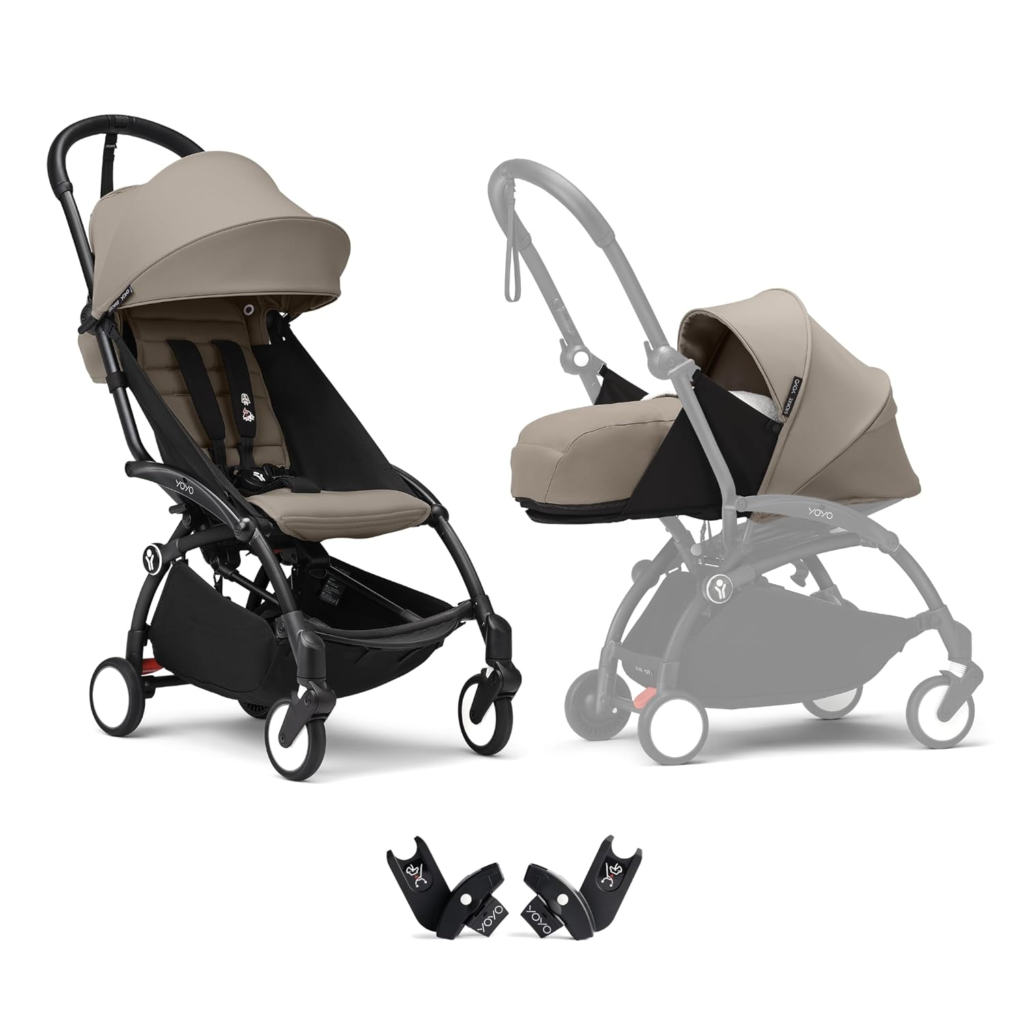
Why you’d choose this:
- You travel frequently
- You live in a small apartment or walk-up
- You need something that fits in tiny car trunks
- You prioritize portability over features
- You navigate crowded urban areas
Why you might not:
- Smaller wheels = harder on rough terrain
- Less storage basket space
- Premium price for a compact (there are cheaper compact options)
What I love: The fold. It truly fits places other strollers don’t. If space is your constraint, this solves it.
Price: $519 (newborn pack)
YOYO3 Stroller from Newborn to Toddler
For Toddlers and Beyond: The Everyday Strollers
UPPAbaby Vista V3 Convertible Stroller
The gold standard expandable stroller. One child as newborn, converts to double, can hold three children with adapters.
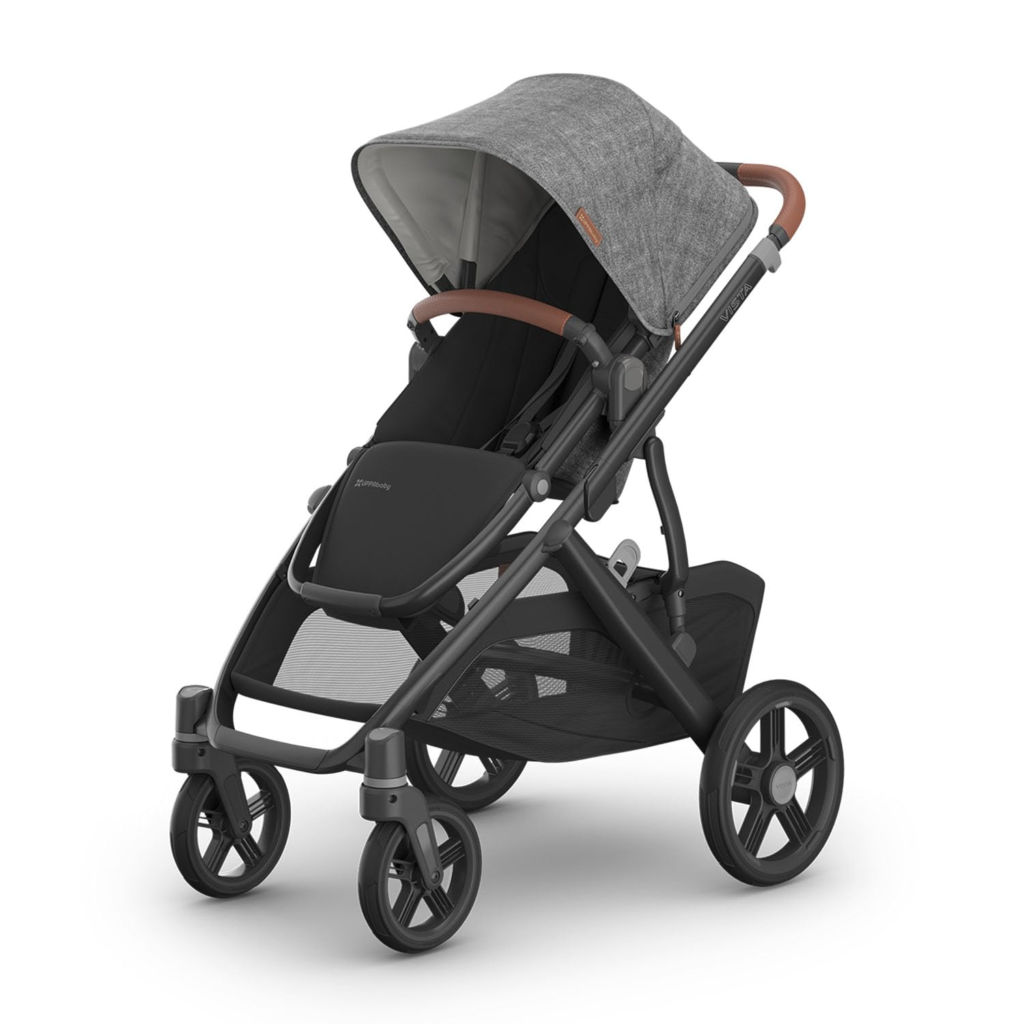
Why you’d choose this:
- Planning multiple children close in age
- Want one investment that lasts through all babies
- Need serious versatility (bassinet, toddler seat, rumble seat, piggyback board)
- Have car trunk space
- Prioritize quality and longevity over budget
Why you might not:
- $999 is a significant investment
- Large and heavy (not ideal for apartments or small cars)
- If you’re one-and-done, the expandability is wasted
Real talk: This is THE stroller for families who want one premium system that does everything. But only worth it if you’ll actually use those features.
Price: $999
UPPAbaby Vista V3 Convertible Stroller
Cybex Gazelle S All-in-One Stroller
Similar concept to Vista—starts single, expands to double, modular configurations.
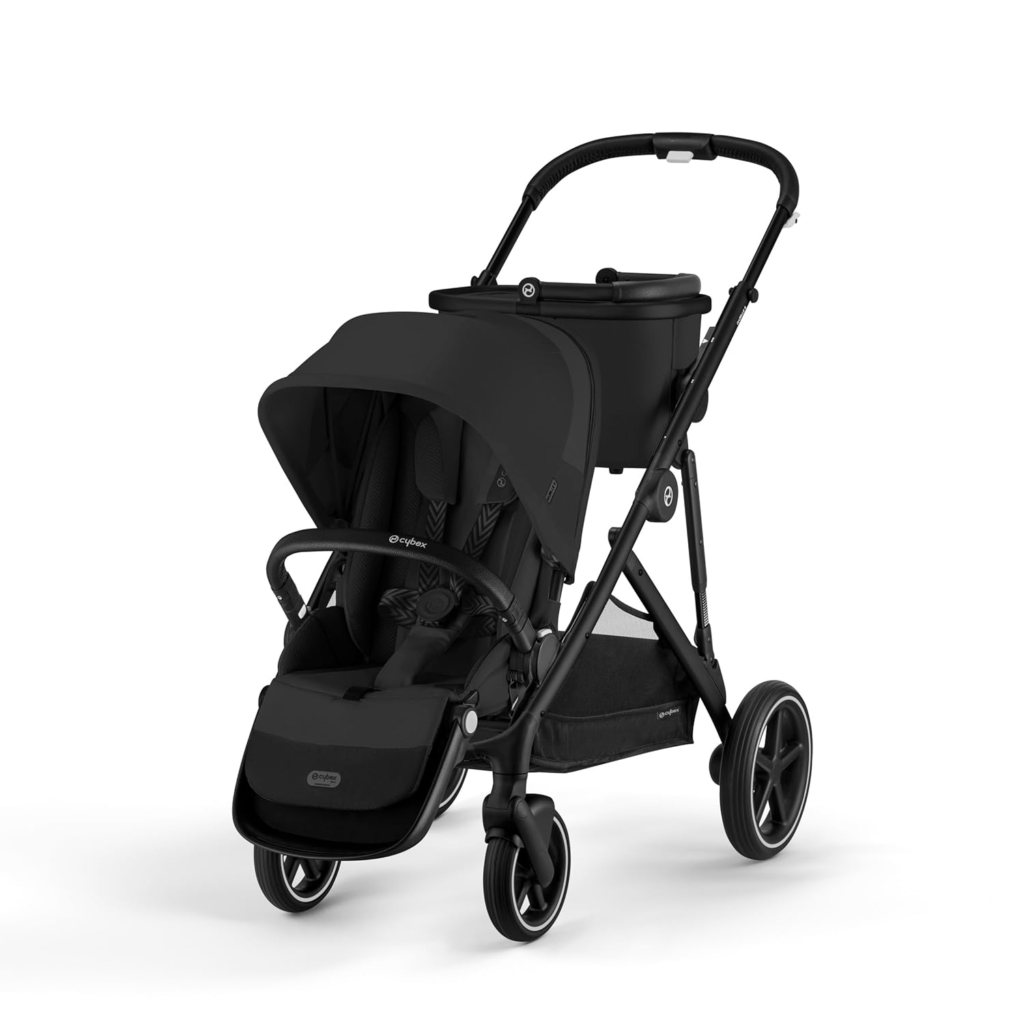
Why you’d choose this:
- Similar versatility to Vista at slightly lower price
- Over 20 configurations (two kids in various orientations)
- Ergonomic near-flat recline
- Compact fold for its size category
Why you might not:
- Still expensive ($999)
- Still large (not compact-stroller category)
- Complex if you just need basic single stroller
The comparison: Vista vs. Gazelle comes down to brand preference and specific feature details. Both are excellent expandable systems.
Price: $999
Cybex Gazelle S All-in-One Stroller
HIGH CHAIRS: Where They’ll Spend Significant Time
Your baby will sit in a high chair multiple times daily for 2-3 years. This matters for posture, safety, and mealtime experience.
What to look for:
- Proper foot support (dangling feet = poor posture and distraction)
- Adjustable height (brings baby to table level for family meals)
- Easy to clean (food will get EVERYWHERE)
- Grows with child (adjustable as they get taller)
The Growth Chair: Newborn Through Childhood
Tripp Trapp High Chair 2 (Natural)
Wooden adjustable chair that grows from newborn (with accessory) through adulthood. Seat and footrest adjust to child’s height.
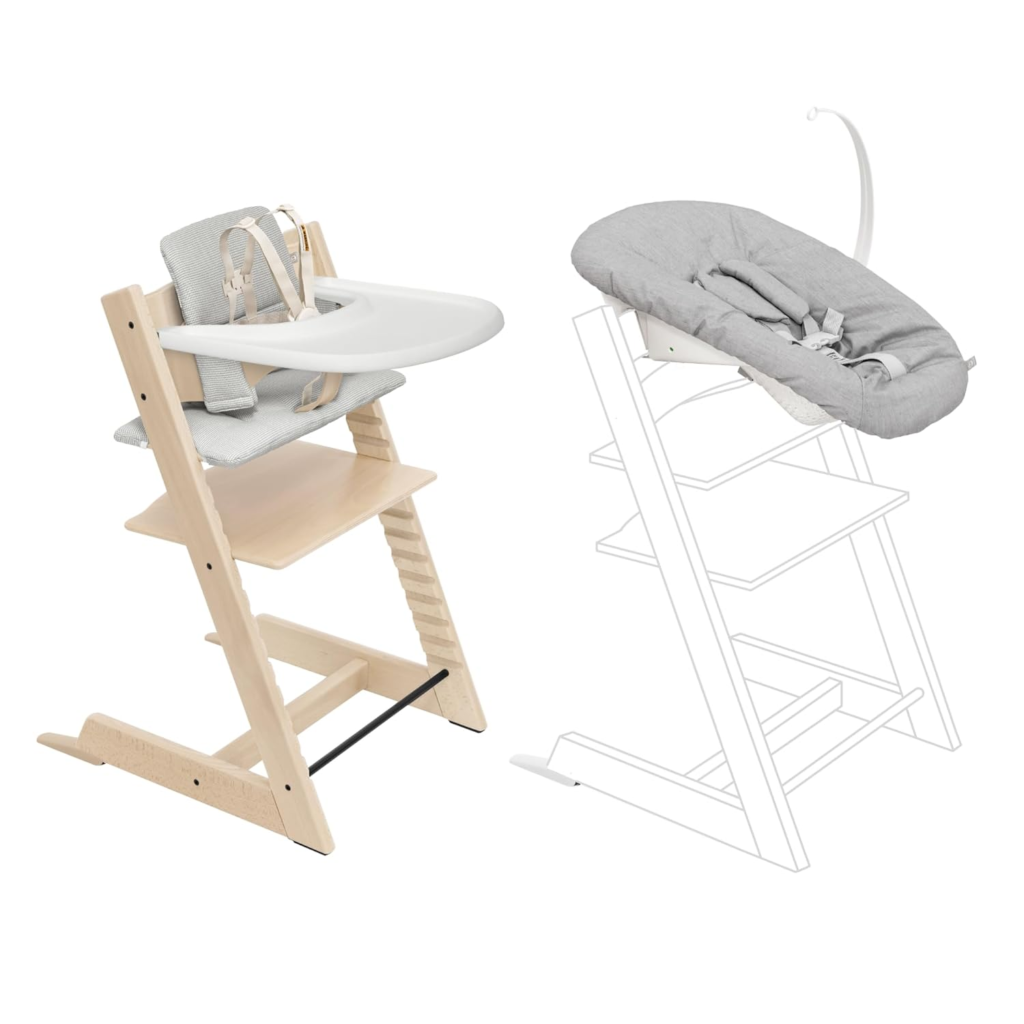
Why you’d choose this:
- Want one chair that lasts 10+ years
- Prioritize proper ergonomic positioning at every age
- Value sustainable, quality furniture
- Prefer wood aesthetic over plastic
- Plan to use for multiple children
Why you might not:
- Expensive ($549 + $359 for newborn set = $908 total)
- Requires newborn set purchase separately
- Takes up more visual space than folding chairs
- Not portable
What’s meaningful: The footrest. Proper foot support during meals aids focus, posture, and digestion. Most high chairs leave feet dangling—this adjusts as they grow.
Price: $549 (chair) + $359 (newborn cushion & tray)
Tripp Trapp High Chair 2 – Natural
Tripp Trapp High Chair Cushion & Tray – Nordic Grey
The Compact Folding Option
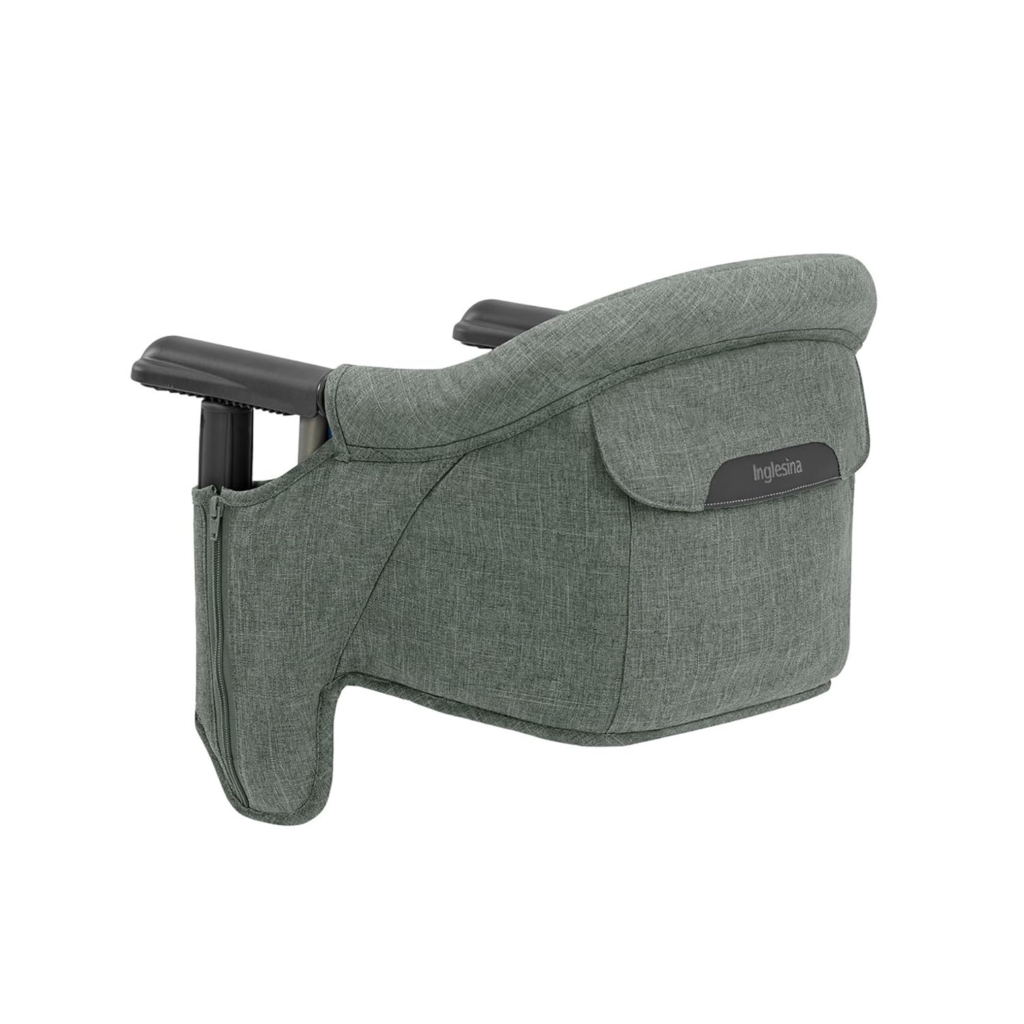
Inglesina Fast Table Chair (Pine Green Melange)
Portable hook-on chair that clamps to tables. For babies 6+ months who can sit independently.
Why you’d choose this:
- Small apartment with no space for full high chair
- Eat out frequently (portable to restaurants)
- Travel often
- Want minimal baby gear footprint
- Budget-friendly ($89)
Why you might not:
- Only works with certain table types (needs edge to clamp)
- No footrest (feet dangle)
- Weight limit lower than traditional chairs
- Can’t be used from birth
The niche: This is a space-saving solution for specific lifestyles. Not a full high chair replacement for most families, but perfect for some.
Price: $89
SLEEP: Bassinets, Cribs, and Safe Sleep Surfaces
Babies sleep 14-17 hours a day in early months. Where they sleep matters for safety, your sleep, and long-term habits.
Safe sleep basics (non-negotiable):
- Firm, flat surface
- Nothing in the sleep space (no blankets, pillows, bumpers, toys)
- Back sleeping position
- Room-sharing (but not bed-sharing) for first 6-12 months
For the First Months: Bassinet Options
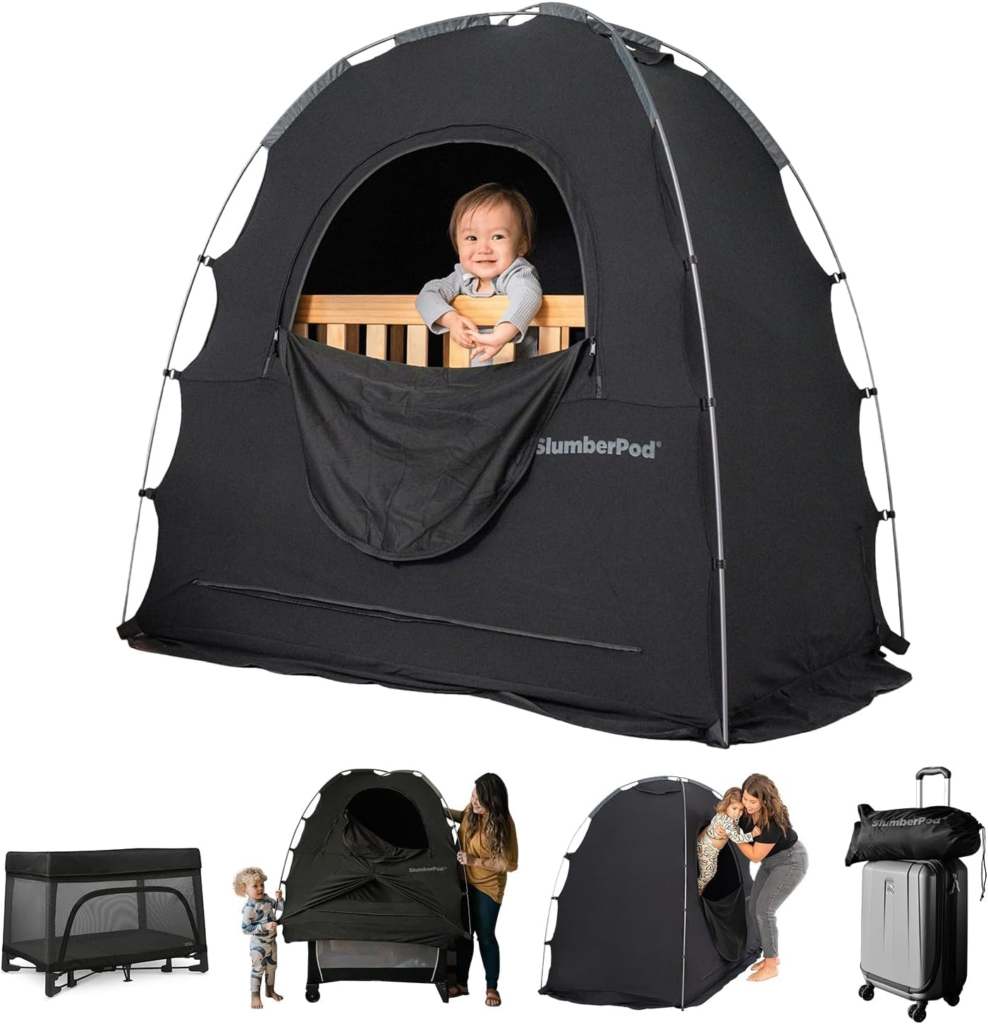
SlumberPod Blackout Sleep Tent
Blackout tent that fits over pack-n-plays and travel cribs. Creates dark, private sleep space anywhere.
Why you’d choose this:
- You travel frequently
- Baby sleeps in your room and you need light/privacy separation
- You want blackout capability without installing curtains
- You have multiple sleep locations (grandparents’ houses, etc.)
Why you might not:
- This is an ACCESSORY, not a sleep surface itself
- Only useful if you actually travel or need the blackout function
- $199 for a tent some babies don’t even need
The reality: This solves a specific problem (travel sleep, room-sharing light issues). If you have that problem, it’s worth it. If not, it’s unnecessary.
Price: $199
SlumberPod Blackout Sleep Tent
The All-in-One: Pack-n-Play / Playard
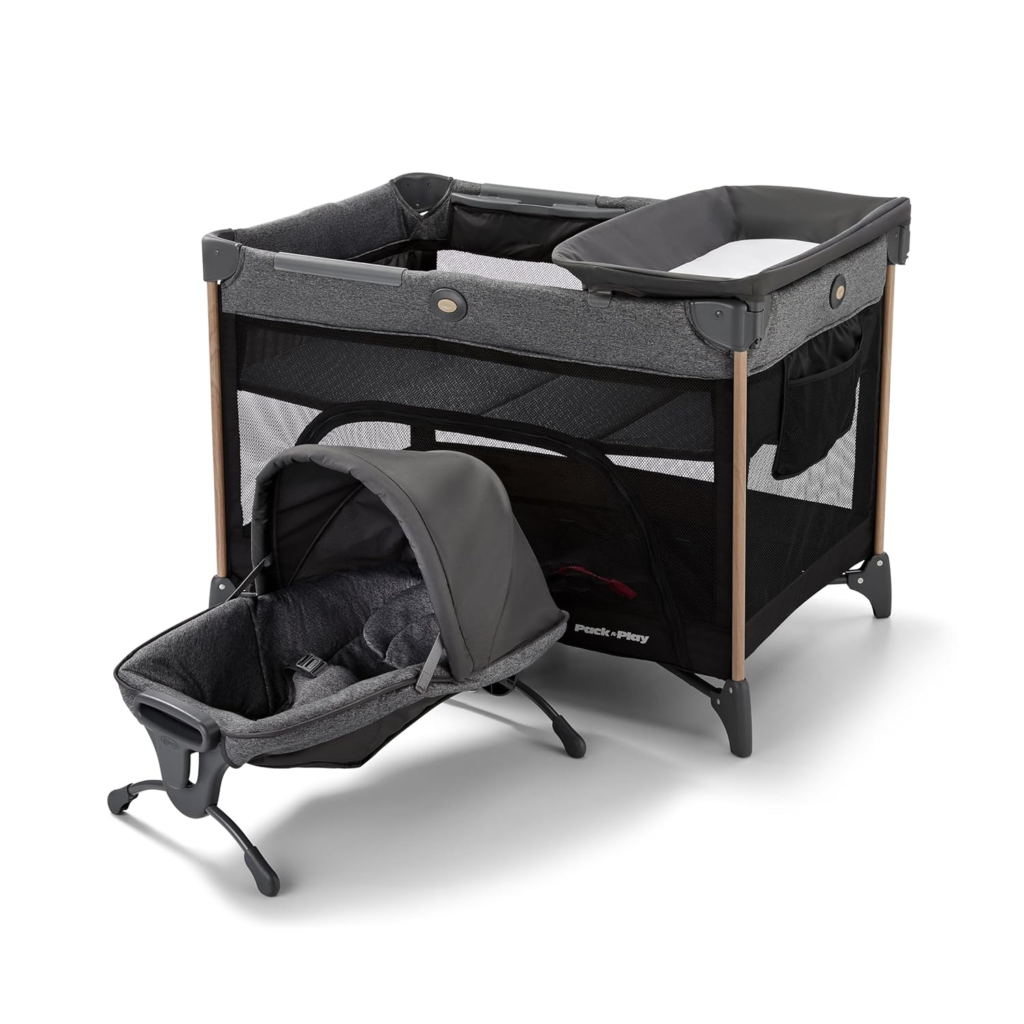
Graco Pack n’ Play Close2Baby Playard
Portable playard with bassinet attachment, changing table, and storage. Functions as: bassinet, changing station, play space, and travel crib.
Why you’d choose this:
- Want multiple functions in one item
- Need portable/travel sleep solution
- Limited nursery space
- Budget-friendly ($199)
- Plan to use at grandparents’ or as secondary sleep space
Why you might not:
- Bassinet weight limit is low (15 lbs = ~3-4 months for many babies)
- Then transitions to playard floor (some babies resist this)
- Less aesthetically pleasing than standalone crib
- Changing table attachment is small
Real use: Most families use this as a travel crib or secondary sleep space, not as the primary crib. It’s versatile but not perfect at any one function.
Price: $199
Graco Pack n’ Play Close2Baby Playard
The Primary Crib
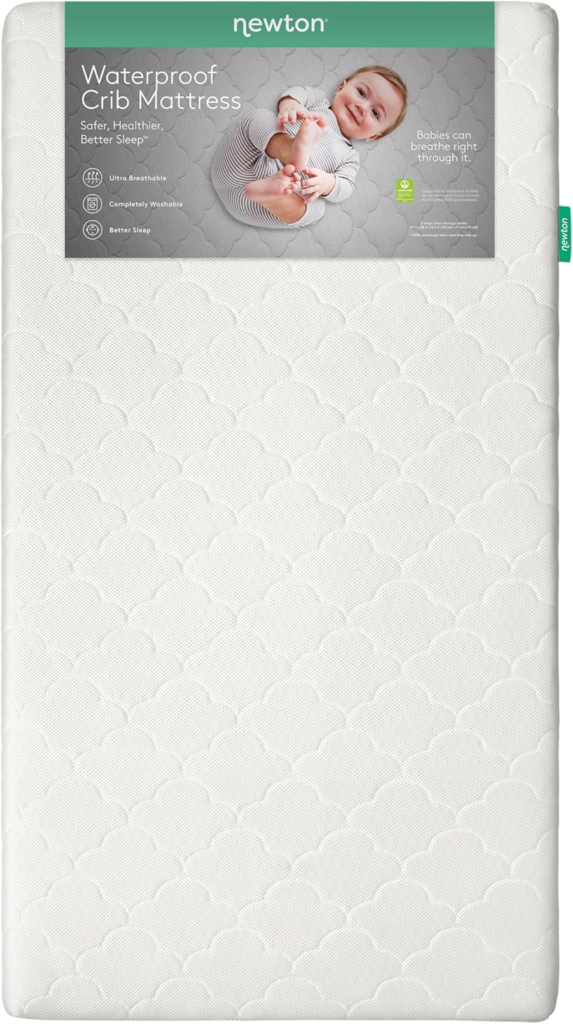
Newton Baby Waterproof Crib Mattress
Breathable, washable crib mattress. Core and cover both fully washable. Meets all safety standards.
Why you’d choose this:
- Prioritize breathability (marketed as safer if baby rolls to stomach)
- Want fully washable (vomit, diaper leaks, etc. can be completely cleaned)
- No off-gassing or chemical smell
- Proven to reduce suffocation risk
Why you might not:
- Expensive for a mattress ($332)
- Breathability benefit is debated (back sleeping is still primary safety rule)
- Some parents prefer traditional innerspring
What I appreciate: The washability. When a diaper explodes at 2 AM, being able to throw the entire mattress core in the shower is genuinely valuable.
Price: $332
Newton Baby Waterproof Crib Mattress
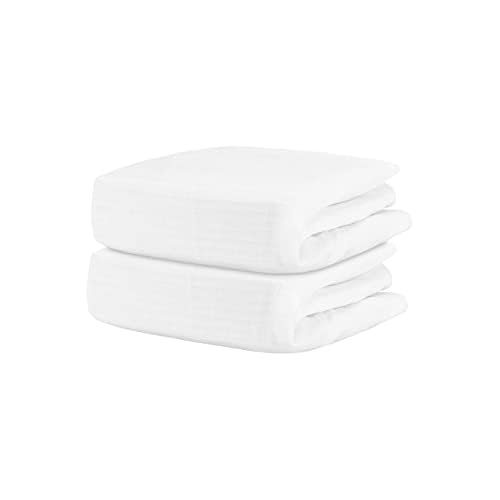
Newton Baby Fitted Crib Sheet (2-Pack)
Fits standard cribs. Breathable material matching the mattress concept. Machine washable.
Why you’d have these:
- Pair with Newton mattress for full breathability
- Soft, quality material
- Multiple sheets needed for inevitable nighttime changes
How many you need: Minimum 3-4 sheets total. One on mattress, one in wash, one for middle-of-night emergencies.
Price: $39 per 2-pack
Newton Baby Fitted Crib Sheets
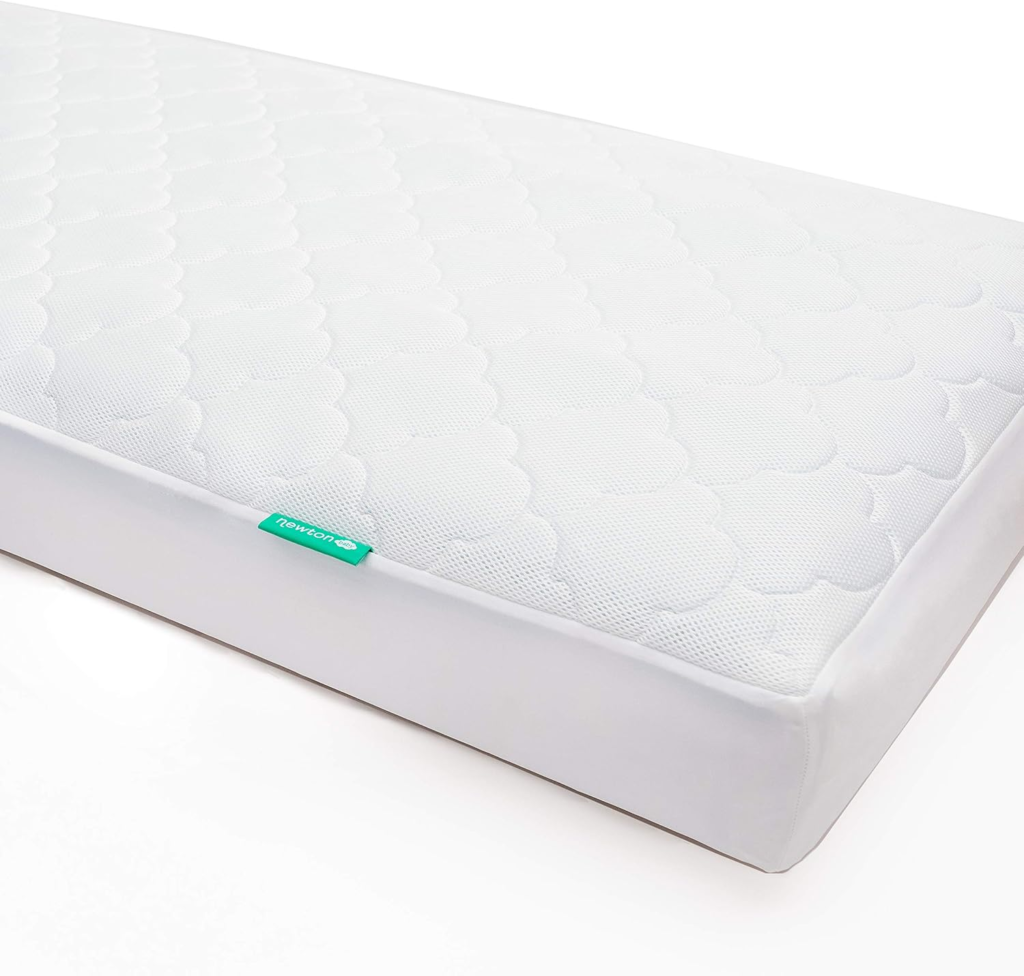
Newton Baby Waterproof Crib Mattress Pad
Adds waterproof protection while maintaining breathability. Goes between sheet and mattress.
Why you’d have this:
- Extra protection for mattress longevity
- Easier to wash pad than full mattress
- Maintains breathable properties
Price: $79
Newton Baby Waterproof Crib Mattress Pad
BABY CARRIERS: The Fourth Trimester Essential
Babies are born expecting near-constant physical contact. Carriers allow you to meet this need while having your hands free.
This isn’t just convenience—it’s developmental. Close physical contact regulates infant nervous systems, supports attachment, and often calms fussy babies better than anything else.
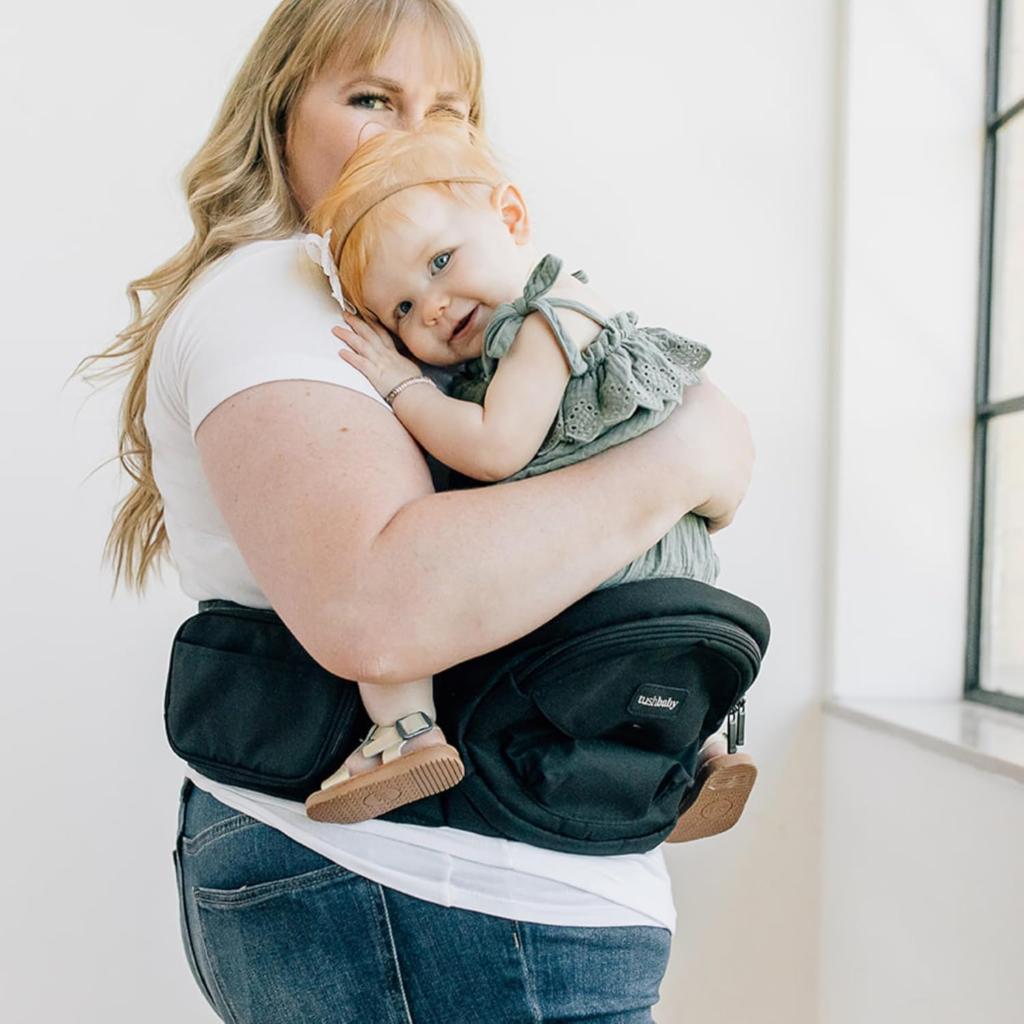
Tushbaby Original Hip Seat Baby Carrier
Hip seat carrier for babies 6-45 lbs. Distributes weight across your hips rather than shoulders.
Why you’d choose this:
- Baby is older (6+ months) and heavy
- You have back/shoulder issues with traditional carriers
- Want quick on/off (errands, around the house)
- Prefer baby facing out to see the world
- Use carrier for short periods, not long hikes
Why you might not:
- Doesn’t work for newborns (6+ months only)
- Not hands-free like structured carriers
- Can’t be used for back-carrying
- Better for quick tasks than extended wearing
The niche: This is the carrier for toddlers who want up/down constantly. The hip seat lets you quickly pick them up without full carrier setup.
Price: $89
Tushbaby Original Hip Seat Carrier
What You Don’t Need (Despite What Registries Tell You)
Before we finish, let’s talk about what you can skip:
❌ Wipe Warmers
Your baby doesn’t need warm wipes. Room temperature is fine. Save the $30.
❌ Diaper Genies / Special Diaper Pails
A regular trash can with lid works. Take trash out daily. Don’t buy proprietary refills for years.
❌ Bottle Warmers
Warm water in a bowl works perfectly. Or feed at room temperature.
❌ Expensive Diaper Bags
Any bag with pockets works. You don’t need a $200 “designer diaper bag.”
❌ Shoes for Non-Walkers
Babies don’t need shoes until they walk outside. Barefoot is best for development.
❌ Themed Nursery Decor Sets
Your newborn doesn’t care if the room is “safari themed.” Spend money on the mattress, not the bumper set (which is a safety hazard anyway).
How to Actually Build Your Registry
Now that you understand the options, here’s how to decide:
Step 1: Identify Your Actual Lifestyle
Not your aspirational lifestyle. Your real one.
- Do you have a car? What size trunk?
- Apartment or house? Square footage?
- Walk-up or elevator?
- Urban or suburban?
- Will you travel frequently with baby?
- Do you have storage space?
Example: If you live in a third-floor walk-up with no elevator, a lightweight compact stroller matters more than expandability.
Step 2: Prioritize Safety Items
Car seat is non-negotiable. Crib/bassinet is non-negotiable. Everything else is negotiable.
Start with these. Make sure they’re safe, fit your space, and fit your budget.
Step 3: Consider Your Budget Reality
If your budget is tight:
- Convertible car seat (skip infant seat)
- One good stroller (not a travel system + jogging stroller + umbrella stroller)
- Standard crib and mattress
- Simple ring sling or soft carrier (skip multiple carrier types)
- Basic high chair that cleans easily
You can have a baby with $2,000 in big-ticket items or $10,000. Both babies will be fine.
The expensive versions are nicer, more convenient, longer-lasting—but not necessary for baby’s wellbeing.
Step 4: Think Long-Term Value
Items used for 2+ years are better investments than items used for 3 months.
Better value:
- Convertible car seat (years of use)
- Quality stroller (multiple kids, resale value)
- Growth high chair (newborn through childhood)
Lower value:
- Infant car seat (outgrown by 12-15 months)
- Bassinet (outgrown by 3-6 months)
- Newborn-only items
This doesn’t mean skip the short-term items—just be realistic about cost-per-use.
Step 5: Ask for What You’ll Actually Use
Your registry isn’t a “get everything free” opportunity. It’s a tool to help people give you useful gifts.
Be honest:
- If you won’t use a baby carrier, don’t register for three different ones
- If you live in a small apartment, don’t register for massive furniture
- If you plan to formula feed, don’t register for breastfeeding gear
People want to give you things you’ll use, not things that sit unused.
Final Thoughts: There’s No Perfect Registry
I’ve shown you a lot of options. Maybe that feels overwhelming.
Here’s what I want you to hear:
You don’t need the most expensive stroller. You don’t need every item on this list. You don’t need to register for things just because “everyone says you need it.”
You need:
- A safe car seat that fits your car
- A safe place for baby to sleep
- A way to feed baby
- Some clothes and diapers
- Your calm, present attention
Everything else is designed to make your life easier or more convenient. Those things have value—but only if they actually fit YOUR life.
The Bugaboo stroller doesn’t make you a better parent than the budget stroller. The expensive high chair doesn’t make your baby eat better.
What makes you a good parent is showing up, paying attention, and responding to your baby’s needs with warmth and consistency.
The gear is just gear. You’re the parent.
Choose what makes sense for your family. Trust your judgment. And know that whatever you choose, your baby will be fine.
They don’t need the perfect registry. They need you.
Coming Next: Part II will cover the everyday essentials—play gyms, swaddles, feeding supplies, bath items, and all the smaller items that make daily life with a baby smoother. The things you’ll use constantly but don’t require months of research.
Related Posts:
Best Montessori Toys for 18-Month-Olds – Age-specific recommendations once baby arrives
Best Montessori Toys for 3-Year–Olds – Looking ahead to toddlerhood
How Many Toys Does a Child Actually Need? – The case for simplicity from day one
Disclaimer: This post contains Amazon affiliate links. When you purchase through these links, I may earn a small commission at no additional cost to you. These are products I recommend based on safety, quality, and practical use—not based on commission rates. I want you to have what actually works, not what pays me the most.