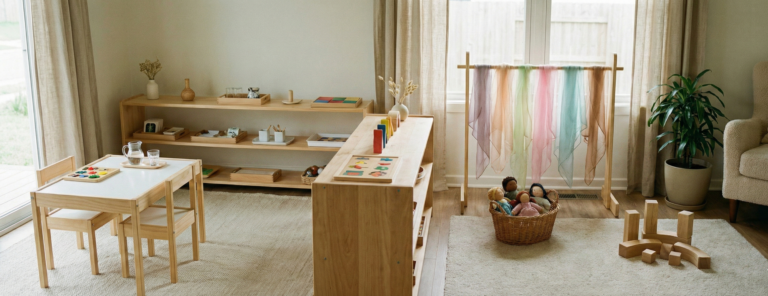
You’re looking at magnetic tiles on Amazon.
Magna-Tiles: $113 for 100 pieces.
Generic brand: $45 for 100 pieces.
Same colorful tiles. Same magnetic edges. Same promise of creative building.
You’re thinking: Why would I pay more than double for what looks like the exact same thing?
I understand the hesitation. I’ve been there. And if this were just about aesthetics or brand recognition, I’d tell you to save your money.
But this isn’t about logos. It’s about what happens six months from now when those tiles have been dropped, thrown, stepped on, and built with daily.
Let me show you what the price difference actually buys—and why it matters more than you might think.
What Actually Distinguishes Magna-Tiles
Before we compare, it helps to understand what makes Magna-Tiles the original and still the standard.
The Construction Difference
Magna-Tiles use a riveted construction method.
Each tile has a food-grade, BPA-free plastic frame with clear acrylic panels. The magnets are enclosed in a sealed pocket created through sonic welding and then secured with rivets. This isn’t just assembled—it’s engineered to withstand actual childhood use.
Generic tiles typically use glued or friction-fit construction.
The magnets sit in channels or are glued into the frame. The acrylic is attached with adhesive. This works fine initially. The problem is what happens with repeated stress.
The Magnet Enclosure Issue
This is where safety diverges significantly.
Magna-Tiles’ riveted design means magnets stay contained even if the tile cracks.
The rivet creates a physical barrier. Even in the unlikely event that a tile breaks (I’ve seen them dropped from second-story windows and survive), the magnet doesn’t fall out. It remains mechanically secured in its pocket.
Generic tiles with glued construction can release magnets if the adhesive fails.
And adhesive does fail. Temperature fluctuations weaken it. Repeated stress from building and dropping breaks the bond. Moisture from being outside or in the bath compromises it.
When that adhesive fails, the magnet can work its way out. And loose magnets are one of the most dangerous things a young child can swallow. Multiple magnets attract through intestinal walls, causing serious internal damage requiring emergency surgery.
This isn’t theoretical. This happens. The Consumer Product Safety Commission has issued multiple recalls for magnetic toys with inadequate magnet retention.
The Acrylic Quality
Magna-Tiles use BPA-free, food-grade acrylic that resists shattering.
When these tiles break (which is rare), they typically crack but stay in large pieces. The acrylic doesn’t shatter into sharp fragments.
Generic tiles often use thinner, lower-grade acrylic.
This saves manufacturing costs but means the tiles are more prone to shattering on impact. Sharp acrylic fragments create laceration risks—for bare feet, for hands during cleanup, for curious mouths.
The difference becomes obvious after extended use. Magna-Tiles develop scratches and may eventually crack. Generic tiles often shatter.
The Magnetic Strength
Magna-Tiles use rare-earth neodymium magnets with consistent strength.
This matters because structures need to hold. A tower that keeps collapsing from weak magnetic connection creates frustration, not learning. The child concludes “building doesn’t work” rather than developing problem-solving skills.
Generic tiles have inconsistent magnetic strength.
Some pieces hold well. Others barely connect. This inconsistency is confusing for children—the same design works sometimes but not others. They can’t figure out why, because the variable isn’t their construction approach, it’s the product quality.
I’ve watched children become genuinely frustrated with weak-magnet tiles, eventually avoiding them entirely. The same children engage for 30+ minutes with Magna-Tiles because the structures actually hold.
What I’ve Observed After Years of Use
I’m not speaking from marketing materials here. I’m speaking from watching these tiles in use in classrooms and homes for years.
Magna-Tiles After 3-5 Years of Heavy Use:
- Scratches on the acrylic (cosmetic only)
- Occasional edge wear on the frames
- Maybe 1-2 tiles with cracks (out of 100)
- All magnets still fully enclosed and functional
- Still connect reliably
- Still safe for continued use
Generic Tiles After 6-12 Months of Regular Use:
- Noticeable acrylic cloudiness or yellowing
- Glue failure visible around edges
- Several tiles with detached acrylic panels
- Magnets loose in some tiles (immediate safety concern)
- Inconsistent magnetic connection
- Need replacement or disposal
The Magna-Tiles are still being used. The generic tiles are in the trash.
When you calculate cost per year of actual use, Magna-Tiles aren’t more expensive. They’re significantly cheaper.
The Safety Standards Difference
This is where brand reputation translates to something concrete.
Magna-Tiles Compliance:
- ASTM F963 (Standard Consumer Safety Specification for Toy Safety)
- CPSIA (Consumer Product Safety Improvement Act) compliant
- Lead-free, BPA-free, phthalate-free materials
- Regular third-party safety testing
- Rigorous quality control on every production run
- Transparent safety certifications readily available
What this means in practice:
Every batch is tested. Manufacturing standards are consistent. When you buy Magna-Tiles today, you’re getting the same quality as a set manufactured two years ago.
Generic Brand Compliance:
This varies wildly. Some generic brands:
- Meet basic safety standards (sometimes)
- Use materials of inconsistent quality
- Have limited or no third-party testing
- Provide vague or misleading safety claims
- Manufacturing quality varies between production runs
- May comply initially but degrade quickly
The problem:
You can’t tell by looking which generic tiles are adequately safe and which aren’t. The packaging all looks similar. The initial appearance is similar. The difference only becomes apparent after use—sometimes after magnets have already come loose.
Is saving $70 worth that uncertainty when your child puts everything in their mouth?
The “Good Enough” Question
I hear this often: “But the generic ones work fine for us.”
And sometimes, they do. For a while.
Here’s what I ask parents to consider:
How long is “fine”?
If “fine” means six months before tiles start failing, you haven’t saved money. You’ve bought tiles twice—once now, once when you replace them with Magna-Tiles after the generic ones break.
If “fine” means they connect weakly but your child doesn’t seem to mind, you’re comparing to no standard. Your child doesn’t know what strong magnetic connection feels like. They’re accommodating the limitation rather than experiencing what the material should offer.
What are you teaching about quality?
Children learn from what we choose for them. When we buy tools that break quickly, that don’t work reliably, that need constant replacement—we’re normalizing that experience.
When we invest in tools that work well and last—wooden blocks that survive generations, quality puzzles that don’t frustrate, magnetic tiles that actually hold structures—we’re teaching that quality matters, that tools should serve their purpose, that things can be built to last.
This isn’t about perfectionism or expensive everything. It’s about choosing quality where it genuinely matters.
When Generic Tiles Make Sense
I’m not saying generic tiles are never appropriate. There are specific situations where they’re reasonable choices:
You’re testing whether your child will engage with magnetic tiles at all.
If you’ve never had magnetic construction toys and you’re not sure your child will be interested, a smaller generic set can be a low-risk test.
The caveat: Weak magnets and poor construction might be why your child doesn’t engage. You won’t know if they genuinely don’t like magnetic tiles or if they don’t like these magnetic tiles.
Better approach: Borrow Magna-Tiles from a friend or toy library first. Or buy a small 32-piece Magna-Tiles set ($40-50) rather than 100 generic pieces you’ll throw away.
You need tiles for very specific, temporary use.
Classroom projects, vacation rentals, temporary childcare situations—contexts where you need tiles briefly and won’t maintain them long-term.
Even here, durability matters. But if the tiles only need to survive weeks rather than years, lower quality may be acceptable.
You’re supplementing an existing Magna-Tiles collection with basic shapes.
If you already have 100 Magna-Tiles and you want more basic squares to expand building possibilities, adding some generic squares might work.
Important: Don’t mix them if there’s any sign of quality issues with the generic tiles (weak magnets, loose pieces). And watch for magnetic strength incompatibility—sometimes they don’t connect well across brands.
What I Actually Recommend
After watching dozens of children use both Magna-Tiles and various generic brands, here’s my honest guidance:
Start with a smaller Magna-Tiles set.
The 32-piece set ($40-50) or 42-piece set ($55-65) gives you enough to build meaningfully without the $113 investment.
If your child engages (and most do), expand to the 100-piece set during holidays or for birthdays.
Why this works:
You’re buying quality from the start. Your child experiences what magnetic tiles should be. If they love it, you expand. If they don’t engage much, you haven’t invested $113 in something unused—but you also haven’t wasted $45 on something that breaks.
If budget is genuinely constrained:
Wait for sales. Magna-Tiles go on sale during Black Friday, Prime Day, and holiday seasons—often 20-30% off.
$113 at 25% off = $85. That’s only $40 more than generic tiles, and you’re getting years more use.
Or ask for them as gifts. One quality set from multiple family members for a birthday or holiday beats five different mediocre toys that get discarded.
If you already have generic tiles:
Inspect them regularly. Look for:
- Loose magnets (immediate disposal)
- Cracked or detached acrylic (remove from rotation)
- Weak magnetic connection (frustrating for children)
If you’re seeing these issues, replace them. Don’t wait until magnets fall out or acrylic shatters.
The Real Cost Comparison
Let’s do the actual math over time:
Scenario 1: Generic Tiles
- Initial purchase: $45 (100 pieces)
- Replacement after 12-18 months: $45
- Second replacement after another 12-18 months: $45
- Total over 3 years: $135
- Condition after 3 years: Likely needing another replacement
Scenario 2: Magna-Tiles
- Initial purchase: $113 (100 pieces, or $85 on sale)
- Total over 3 years: $113 (or $85)
- Condition after 3 years: Still fully functional, likely lasting another 5+ years
Magna-Tiles are cheaper long-term.
And that’s before factoring in the safety peace of mind, the frustration saved from weak magnets, the engagement quality from materials that work properly.
What Parents Ask Me
“My child is rough with toys. Won’t they break Magna-Tiles too?”
Magna-Tiles are designed for actual child use—which means throwing, dropping, stepping on, occasionally being used as drumsticks.
Yes, they can break. But they’re engineered to fail safely (cracking rather than shattering, retaining magnets even when damaged) and to tolerate far more abuse before failing at all.
Generic tiles aren’t designed for this. They’re designed to look like Magna-Tiles long enough to get through the return window.
**”Can’t I just supervise closely with generic tiles?”
You can. But close supervision of magnetic tile play means:
- Watching constantly for loose magnets
- Inspecting every tile before and after each play session
- Removing damaged tiles immediately
- Never leaving them accessible for independent play
That defeats much of the purpose. Magnetic tiles are brilliant for independent play—the kind where your child builds for 30 minutes while you make dinner.
If you can’t trust the tiles unsupervised, you can’t use them for what they’re best at.
“What about other name brands—Picasso Tiles, Playmags?”
Quality varies. Some are closer to Magna-Tiles quality (Picasso Tiles has improved significantly). Others are rebranded generic tiles.
The challenge: You’re still gambling on quality consistency. Magna-Tiles has decades of reputation to protect. Newer brands have less to lose if quality slips.
If you’re buying non-Magna-Tiles, research that specific brand thoroughly. Read recent reviews (not just launch reviews). Look for mentions of magnets coming loose, acrylic breaking, or customer service issues.
Or just buy Magna-Tiles and skip the research.
The Philosophical Question
This really comes down to: What are we teaching children about how things should work?
When we give them tools that:
- Break easily
- Don’t function reliably
- Require constant adult intervention
- Need frequent replacement
We’re teaching that tools are disposable, that frustration is normal, that things don’t work well.
When we give them materials that:
- Function as designed
- Withstand real use
- Support independent exploration
- Last through childhood
We’re teaching that quality exists, that tools should serve their purpose, that investment in good materials matters.
This isn’t about expensive everything. Cardboard boxes, sticks from the yard, and water in a bowl are some of the best play materials and cost nothing.
This is about: when you’re buying something, buy it well. Or don’t buy it.
Magna-Tiles occupy that category of “if you’re buying magnetic tiles, buy them well.”
My Honest Recommendation
Buy Magna-Tiles.
Not because I’m affiliated with them (I’m not). Not because generic tiles are universally terrible (some are decent initially). Not because you need the fanciest version of everything (you don’t).
Buy them because:
Safety matters. Magnet retention isn’t negotiable when children put things in their mouths.
Function matters. Weak magnets that don’t hold structures create frustration, not learning.
Durability matters. Toys that last years are cheaper and more sustainable than toys that last months.
Quality matters. Children deserve tools that work properly.
If $113 is genuinely outside your budget right now, wait and save for it. Ask for it as a gift. Watch for sales. Buy a smaller set first.
But don’t buy generic tiles thinking you’re getting the same thing for less money.
You’re getting fewer things for less money. And often, you’ll end up buying Magna-Tiles anyway after the generic ones fail.
Start where you mean to end up.
The Bottom Line
Not all magnetic tiles are created equal.
The price difference between Magna-Tiles and generic brands isn’t about branding or marketing. It’s about engineering, safety standards, material quality, and longevity.
Those things have value. Real, measurable value that becomes obvious over time.
Your child won’t know they’re using “the expensive tiles.” They’ll just know that building works, that their towers stay standing, that the material does what they expect it to.
That’s what $113 buys. Not a logo. Not status.
It buys tools that work, safely, for years.
That’s worth paying for.
Product Recommendation:
If you’re ready to invest in quality magnetic tiles:
Magna-Tiles Clear Colors 100-Piece Set
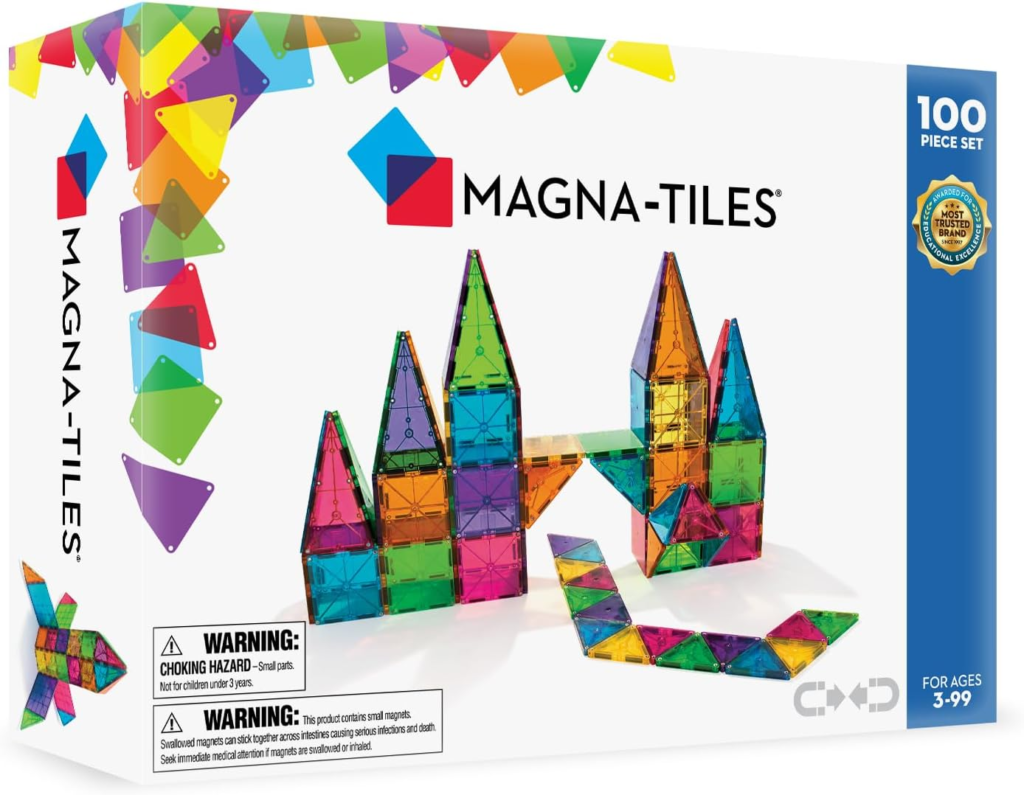
The standard set that provides enough pieces for ambitious building. Clear colors look beautiful with light, and the variety of shapes (squares, triangles, and smaller squares) supports diverse construction.
Price: $120 (watch for sales – often $85-95 during major shopping events)
Magna-Tiles Clear Colors 100-Piece Set
Starting smaller:
Magna-Tiles Clear Colors 32-Piece Set
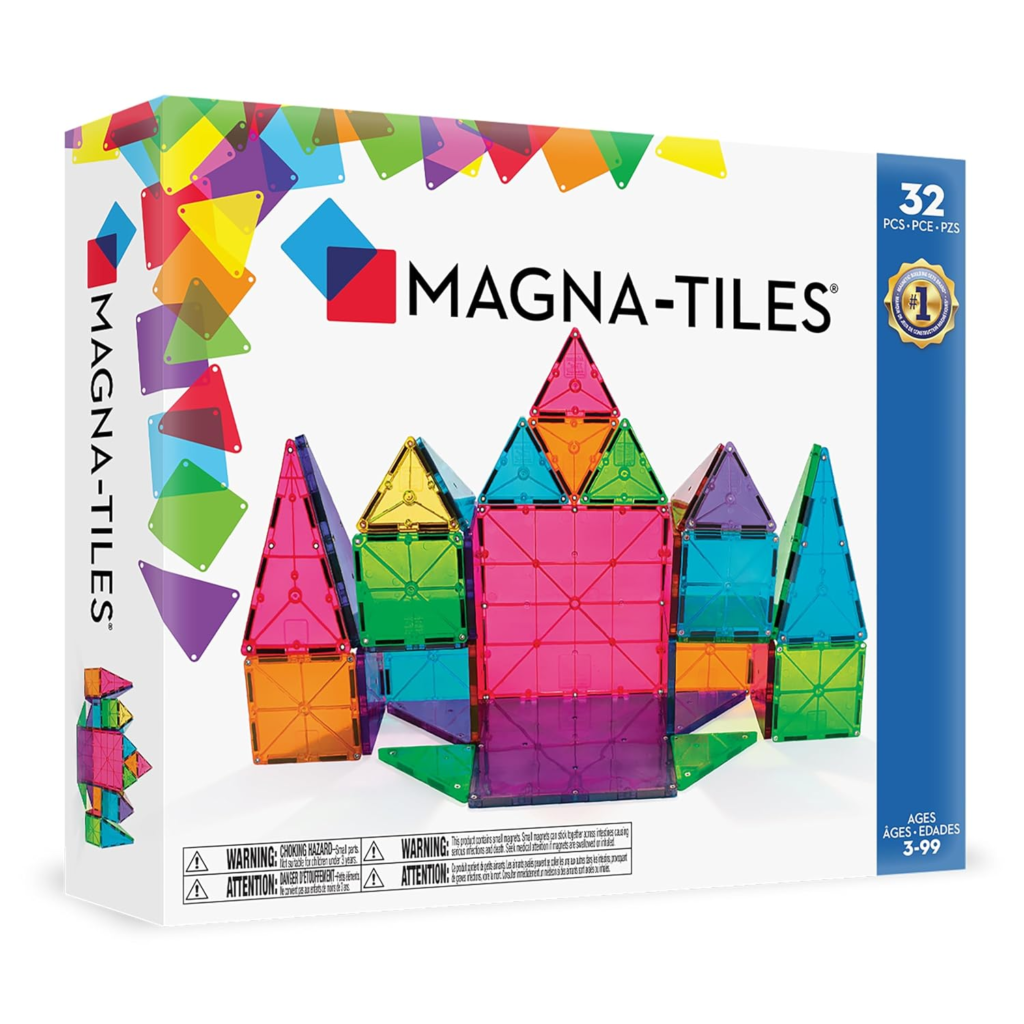
If you want to test engagement before the larger investment, this provides enough pieces for meaningful building.
Price: $50